ODISHA MUST MEET THE URGENT CALL FOR SWIFT PNG EXPANSION AMID WEST ASIA TURBULENCE
Sunil Patnaik
Senior.Journalist
Bhubaneswar/Berhampur, March 30:
In the quiet kitchens of Odisha, where the blue flame of LPG has long symbolised comfort and continuity, a new anxiety flickers beneath the surface. With 100.4 lakh domestic consumers and 12 to 15 lakh commercial LPG consumers including hotels, eateries, industries and institutions, the State stands as a shining example of clean fuel penetration. Yet, the gathering storm in West Asia—an epicentre of global energy supplies—has cast a shadow on this hard-earned stability, urging a decisive shift towards Piped Natural Gas (PNG) as a strategic safeguard.
The LPG network in Odisha, powered by giants like Indian Oil Corporation (Indane), Bharat Petroleum Corporation Limited(Bharat Gas), and Hindustan Petroleum Corporation Limited(HP Gas), has achieved near-universal household reach. From remote villages under the Ujjwala scheme to bustling urban eateries, LPG remains the lifeline of daily energy consumption.
However, industry voices caution that overdependence on imported LPG, much of it routed through geopolitically sensitive regions, makes the system vulnerable to external shocks.
The ongoing tensions in West Asia have already begun to ripple through global energy markets, tightening supply chains and raising apprehensions of price volatility and intermittent shortages, particularly for commercial consumers such as hotels, restaurants, and small industries.
Against this backdrop, experts and policymakers are increasingly turning their gaze towards PNG—delivered through underground pipelines—as the next frontier of energy security.
Despite being backed by the ambitious Urja Ganga Gas Pipeline Project, PNG penetration in Odisha remains modest, with only 1 to 3 lakh connections concentrated in urban pockets like Bhubaneswar and Cuttack. The contrast is stark when placed beside the vast LPG consumer base.
Energy analysts argue that accelerating PNG rollout by 2030 is no longer merely a developmental goal, but a strategic imperative. The advantages are compelling—PNG ensures uninterrupted supply, eliminates cylinder logistics, and reduces exposure to global supply disruptions.
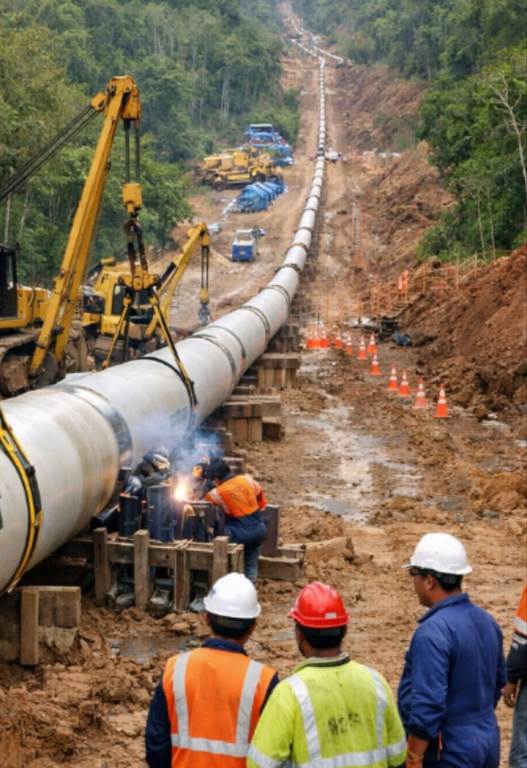
To fast-track this transition, stakeholders suggest a multi-pronged approach for this 770 to 800 km pipeline network: Expediting pipeline infrastructure under the Urja Ganga project across all 17 sanctioned districts. Simplifying permissions and urban excavation processes to avoid delays. Providing financial incentives and subsidies to encourage household and commercial adoption. Strengthening coordination between State agencies and City Gas Distribution companies.
Companies like Adani Total Gas Limited and GAIL, already entrusted with expanding the city gas network, are expected to play a pivotal role in this transformation. Officials indicate that Odisha has the potential to reach 20 lakh PNG connections in the coming years, a leap that could significantly cushion the State against global fuel uncertainties while complementing the existing LPG ecosystem.
As geopolitical tremors reverberate across continents, Odisha stands at a crucial juncture—its kitchens well-lit today, but its energy future hinging on how swiftly it can lay the pipelines of resilience beneath its soil.
The blue flame must endure—but its source must evolve.