Dr.Satyajit Nayak briefs Governor on Atri’s heritage and tourism potential
Desk,Odishabarta
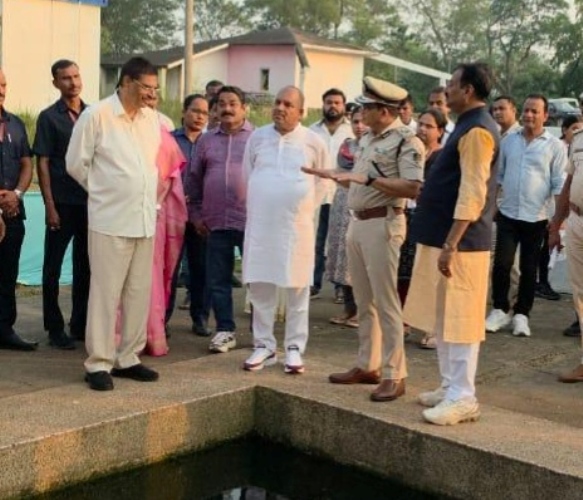
KHORDHA, OCTOBER 3: Inspector General of Police, Central Range, Dr Satyajit Nayak, briefed the Governor of Odisha on the natural, cultural and tourism significance of Atri during the Governor’s visit to Khordha district.
Located near Atri village in the Begunia area, the hot spring is known for naturally warm water emerging from beneath the ground. Dr Nayak highlighted Atri as a unique confluence of nature, local traditions, spiritual practices and rural heritage, and said the site had the potential to become an important destination in Khordha’s tourism circuit.
Explaining the natural phenomenon, he said groundwater moves through underground rock formations and is heated by the earth’s internal heat before emerging at the surface. The spring has long attracted local residents and visitors and remains an important part of the area’s cultural landscape.
Dr Nayak also drew attention to the traditional beliefs and religious associations surrounding Atri. He said the significance of the site extended beyond its hot spring, with generations of local communities preserving stories, customs and traditions associated with the place. Atri, therefore, could be viewed not merely as a tourist attraction but as a living cultural heritage site.
The presence of minerals such as sulphur in the spring water is often mentioned in connection with Atri. However, Dr Nayak emphasised the need for scientific evidence and expert assessment before making claims about any therapeutic properties of the water.
He said Atri offered an opportunity to bring together nature, spirituality and rural life. Its warm spring provides a glimpse into geological processes beneath the earth, while the surrounding religious sites and village landscape offer visitors an insight into Odisha’s spiritual and cultural traditions.
Dr Nayak suggested that Atri could be integrated into a wider tourism circuit linking important attractions in and around Khordha and Bhubaneswar, including ancient temples and heritage sites such as Dhauli and the Khandagiri-Udayagiri caves. Such an approach, he said, could provide visitors with a more diverse experience of the region.
At the same time, he stressed that development at Atri should be guided by environmental considerations. Better road connectivity, sanitation, drinking water, parking, visitor amenities, information signage and an interpretation centre could improve the visitor experience. However, unplanned construction and excessive commercialisation should be avoided to preserve the natural character of the site.
“Atri should not be viewed merely as a tourist destination. It is a living expression of our nature, heritage and folk traditions. As we develop the site, protecting its natural and cultural character must remain an equal responsibility,” Dr Nayak said.
He also underlined the importance of involving the local community in tourism development. Training local youth as guides and promoting local cuisine, handicrafts and traditional products could create livelihood opportunities while giving visitors a more authentic experience of the region.
According to Dr Nayak, the success of tourism should not be measured only by the number of visitors. Environmental protection, economic benefits for local communities and preservation of the site’s cultural identity for future generations should form the basis of sustainable tourism planning.
Atri, he said, represented the wider tourism potential of Odisha, which extends beyond its well-known temples, beaches and heritage monuments. Lesser-known destinations such as Atri could add new dimensions to the State’s tourism map by bringing together geology, nature, spirituality and community life.