
Odisha has become a hub of Wildlife Poaching and Trafficking

Dr.Biswajit Mohanty
Secretary,Wildlife Society,Odisha
Bhubaneswar,03/10/2026:As Odisha starts a week long celebration to commemorate National Wildlife Week wildlife lovers are shocked by rampant poaching and trafficking of wildlife and its body parts .
On 8th September,2026, Odisha woke up to an incredulous news about 5 Orangutan babies found clinging to each other in the Ranakata forest area in Balasore district. These primates are great apes native to the rainforests of Indonesia and Malaysia and found only in parts of Borneo and Sumatra. This was a bizarre find since they were thousands of kilometres away from their habitat. It was clear that wildlife smugglers had abandoned them due to some unknown reason. Though more than a month has passed the real culprits are yet to be caught.
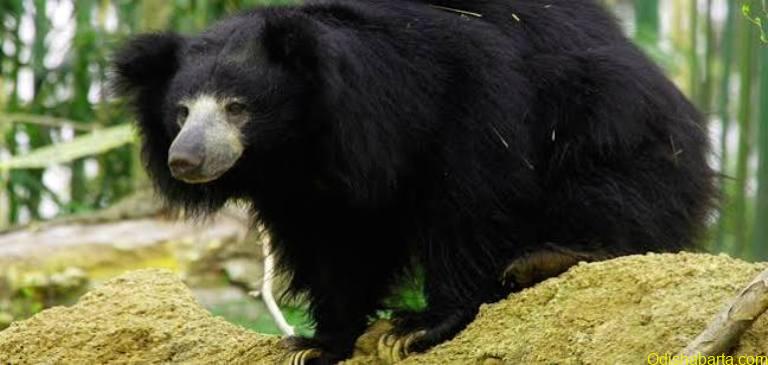
On 22nd April,2021, seven bear cubs were seen loitering beside a road near Gangapada on the outskirts of Bhubaneswar. The wildlife community was shocked since they were not the usual sloth bear found across India. Nobody knew how the Asiatic Black bear cubs found only in the Himalayas of India, Bhutan, Nepal, China, and Pakistan landed up in Odisha. This case remains a mystery since the Wildlife Wing has failed to catch the smugglers though six years have passed.
These two cases are the tip of the iceberg of the rampant wildlife trafficking in Odisha which includes exotic species and animals not found in Odisha. The actual numbers of wildlife trafficking could be enormous since there is zero intelligence collection and enforcement by the Wildlife Wing.
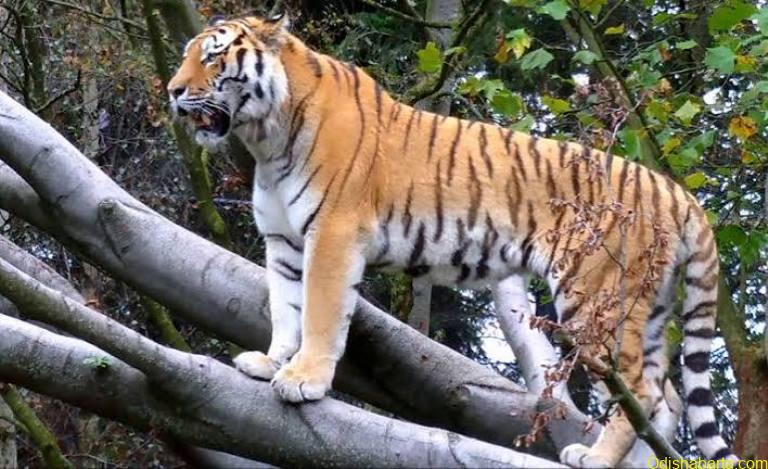
Odisha’s tigers are disappearing :
About two decades ago, the Simlipal Tiger Reserve had over a 101 tigers and Satkosia Reserve had 12. Today Similipal has just around 30 adult tigers while Satkosia Tiger Reserve has lost all tigers.
Poachers decimated the estimated population of 12 tigers (2007) of Satkosia save one last remaining female tiger in 2017 when the tiger reintroduction project was launched. The tiger census of 2022 has recorded zero tigers in the Reserve. Thus 11 tigers were lost in 19 years though crores were spent on protection and patrolling. Only one poacher who had injured one tiger was caught by the Forest Department. In fact the introduction of tigers in 2018 was a huge failure due to lack of protection as poachers killed Mahavir in November.
The seizure of three tiger skins including two melanistic (black) skins from the Simlipal Tiger Reserve periphery in last two years mocks at tiger protection in Odisha. All other forest areas of Odisha have lost their tigers by 2022 including Sunabeda WLS which is a proposed Tiger Reserve.
Leopards in a Spot
The seizure of 21 leopard skins from on trader at Khordha district in April,1996 had blown off the lid on the rampant wildlife body parts trade in Odisha. This was the largest ever seizure of leopard skins and the record is unbroken even after 30 years.
The last survey carried out by the Forest Department in 2024 had put the estimated population of leopards at 696. As per a report published by the forest department in 2024-25, only 56 leopards had died in the last 10 years, 50 % of which were poaching cases. Since then 15 dead leopards have been found making it 71 leopard deaths in little over 11 years.
The seizure of over 170 leopard skins during same period is baffling. Much larger number of skins have been seized compared to the recorded leopard deaths. It is clear that most deaths were undiscovered or concealed despite field information.
Odisha is India’s elephant graveyard:
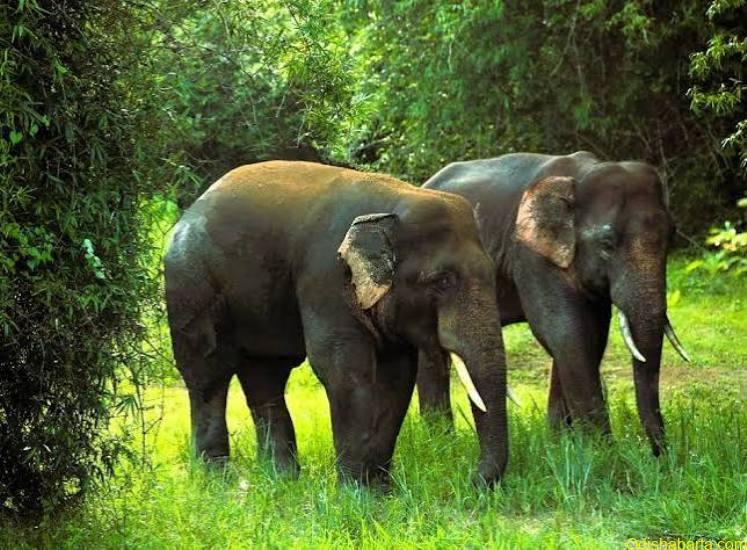
316 elephants have been killed in Odisha during a 15 year period from April,2010 to March,2025 by poaching. Hunting by bullets, poisoning, live wire electrocution, bait bombs were the cause. During the last 10 years over 120 tusks have been seized, which indicates the death of at leastd60 tuskers. Given the fact that in some of the poaching cases, tusks were intact when bodies were found, it is difficult to fathom how so many more tusks have been seized. This clearly indicated that many poaching cases were not discovered or concealed
Pangolins in peril
Pangolins are the most trafficked mammals in the world and Odisha is a hotspot for pangolin trade. Odisha is the state with the highest number of seizures of live Pangolins and their scales. Since August, 2018, ( 8 year period) more than 75 live pangolins and over 120 kgs Pangolin scales have been seized. Odisha government has given up protecting this highly endangered mammal in the wild. The Wildlife Wing has abandoned its role to protect them and they prefer imprisoning the seized and rescued pangolins in the Nandan Kanan Zoological park. Though more crores has been spent in a breeding program, not a single zoo bred pangolin has been released in the wild since the last 20 years.
Turtles turn turtle
Fresh water turtle smuggling, primarily in the districts of Malkangiri and Balasore, bordering Andhra Pradesh and West Bengal respectively like buying and selling country chickens. It is so rampant that, in the last 10 years more than 11,000 fresh water turtles have been seized and possibly 10 times that number, over a lakh, have been smuggled out to West Bengal.
Due to lack of offshore sea patrolling in congregation zones by Forest and Fisheries Department thousands of Olive Ridley sea turtles are killed every year by illegal fishing. A rough estimate places this figure at around 7,000 to 8,000 per year though the department discloses much lesser casualties. During the last 20 years at least 2,00,000 Olive Ridley sea turtles have perished. They are Schedule I animals and deserve the same level of protection as the Tiger and Elephant which Odisha has been unable to provide so far.
Abysmal enforcement of wildlife laws :
Not a single tiger or elephant poacher has served a jail sentence for his crime which indicates the awful state of enforcement and lack of commitment of the Wildlife Wing.. Most arrested people are let off within a few weeks on bail and they go back to their same crime.
Odisha has become a safe haven for wildlife traffickers and poachers due to lack of enforcement as the wildlife wing never considers wildlife crime to be a serious issue that needs intelligence collection and enforcement and punishment of offenders