The Tamil Nadu Ammonia Gas Tragedy Is Not Merely an Industrial Accident; It Is a Grim Reflection of the Failure of Tribal Development and Migrant Labour Policies

Bureau,Odishabarta
Bhubaneswar:A two-member fact-finding team constituted to investigate the ammonia gas leak at the St. Peter Exports seafood processing factory in Tamil Nadu on 21 June 2026, which claimed the lives of 15 young migrant women workers and injured 14 others from the Juang Particularly Vulnerable Tribal Group (PVTG) of Keonjhar district, hereby releases its findings.
The members of the team were Gyan Ranjan Nayak and Deba Ranjan.
Between 16 and 18 July, the team visited six villages across three blocks of Keonjhar district. After interacting with the families of the deceased and injured workers, returning migrant workers, government officials, and local residents, the team presents the following findings in this preliminary report:
The tragedy was the direct consequence of serious safety lapses at the factory.
At the time of the ammonia gas leak, there was no siren, warning system, emergency evacuation mechanism, or first-aid facility in place.
The workers were made to work 12-hour shifts without weekly holidays, were provided inadequate food, and were subjected to mental harassment. The tribal workers further alleged that local Tamil Nadu workers received higher wages while working only eight-hour shifts for the same work.
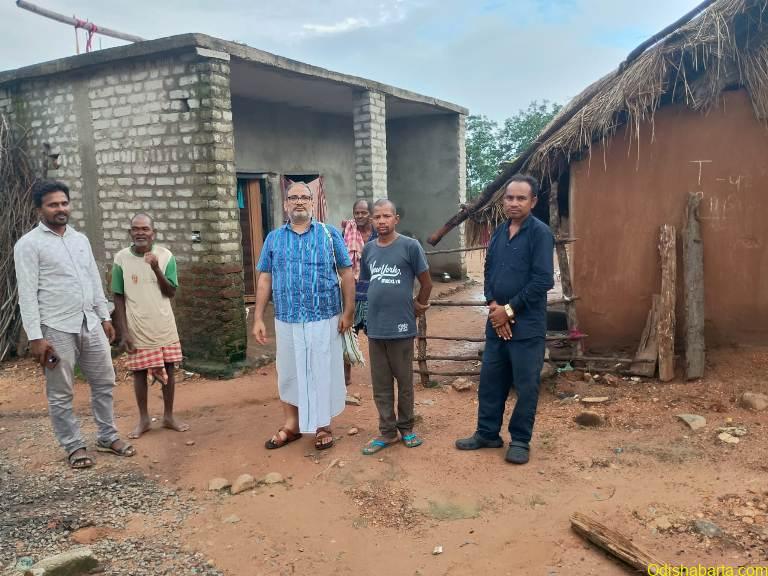
The Juang women did not migrate in search of a better life; they were compelled to leave because of poverty, unemployment, incomplete housing, the failure of MGNREGA to provide adequate employment, and the absence of sustainable livelihood opportunities.
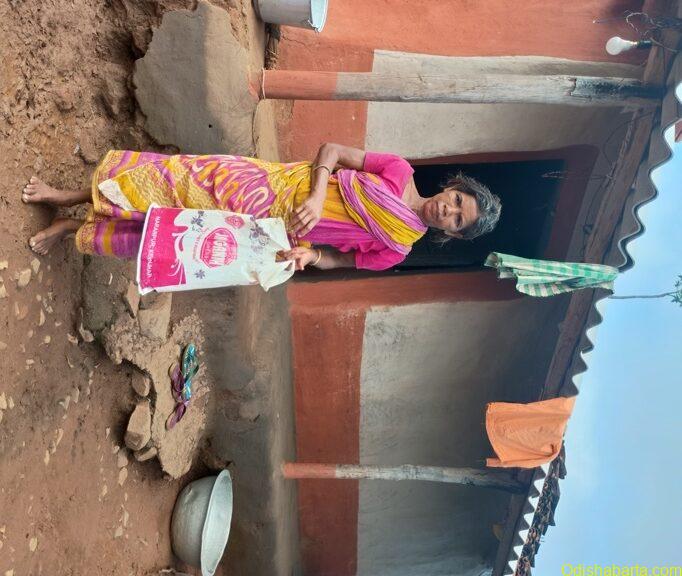
Among the eight affected families visited by the team, six were living in one-room Indira Awas houses without doors or windows.
Their family members said, with deep anguish, that the young women had gone to Tamil Nadu only to earn enough money to repair their houses, but instead lost their lives there.
Several days after the accident, the District Labour Department, Keonjhar, filed criminal cases against the labour agent who had recruited these workers, accusing him of human trafficking and employing minor girls. Such action should have been initiated when the workers were recruited and transported to Tamil Nadu, not after the tragedy.
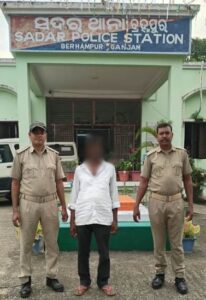
Although the Odisha Government has registered eight criminal cases against SrikantaJuang, he has not yet been arrested.
The Telkoi Police have also failed to record the statements of the bereaved families and the families of the minor workers.
Although the Juang Development Agency has been functioning since 1978, it has failed to bring about any significant improvement in the livelihoods or living conditions of the Juang community. Without conducting any audit of its functioning, the Odisha Government stopped providing funds to the Agency from March 2023 onwards. Officials of the Agency were unable to explain the reasons for this decision. The Agency is now virtually defunct.
People alleged that, for several years, MGNREGA works had been carried out using JCB machines under the informal practice that “whoever owns the JCB machine also controls the job cards.” The State Government has failed to ensure transparency in the programme even during the past two years.
The newly issued job cards also contain no work entries. Meanwhile, since the Union Government’s new VBGRAM-G scheme has not yet become operational, returning migrant workers are currently dependent on agricultural wage labour. If the new scheme also fails, they will once again be pushed into the same cycle of uncertainty and distress migration.
The fact that tribal women from mineral-rich Keonjhar district have to travel nearly 1,500 kilometres to repair their homes or pursue higher education—and ultimately lose their lives there—raises serious questions about Odisha’s model of development. This model appears to allow mining companies to extract the district’s mineral wealth while forcing its tribal population to migrate elsewhere in search of survival.
The Government justifies labour migration by citing Article 19 of the Constitution, arguing that every citizen has the fundamental right to reside and work anywhere in India. However, for the Juang community, migration is not an expression of freedom or aspiration but a compulsion born of necessity. While invoking Article 19, the Government must also fulfil its constitutional obligations under article 38, 39, 41, 42, 43 and 46by ensuring an enabling environment for citizens, improving their educational and economic conditions,restricting minor girls to migrate and providing safe and humane working conditions for workers.
The compensation announced after the tragedy has still not reached the affected families.
In the opinion of the fact-finding team, the ammonia gas leak was merely the immediate cause of death.
The underlying causes lie in the crisis of tribal livelihoods, the insecurity of migrant workers, the weak enforcement of labour laws, and the failure of a mining-centred model of development.
Accordingly, we demand:
Immediate disbursement of the announced compensation and comprehensive rehabilitation of all affected families.
Creation of sustainable livelihood opportunities in the Juang region and transparent implementation of the Indira Awas housing scheme.
A comprehensive review of the functioning of the Juang Development Agency and all tribal development programmes.
Immediate legal action by the police and prompt recording of the statements of the bereaved families.
Strict criminal action against the company and all officials responsible for the accident.
We shall shortly release the team’s detailed fact-finding report.
Gyan Ranjan Nayak
President, GASS, Odisha
ShrimantaMohanty
General Secretary, GASS, Odisha
Email: [email protected],
Mobile numbers of those who visited the area: 9861641631/ 9437762272