Locked Panchayat Offices, Defunct Water and School Meal Crisis Expose Administrative Lapses in Chitrakonda
Four Panchayats Allegedly Remain Inaccessible on Working Days; Villagers Struggle for Drinking Water, Education and Basic Services
Manas Mallik, Odishabarta
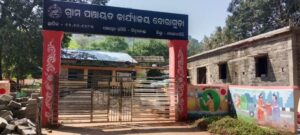
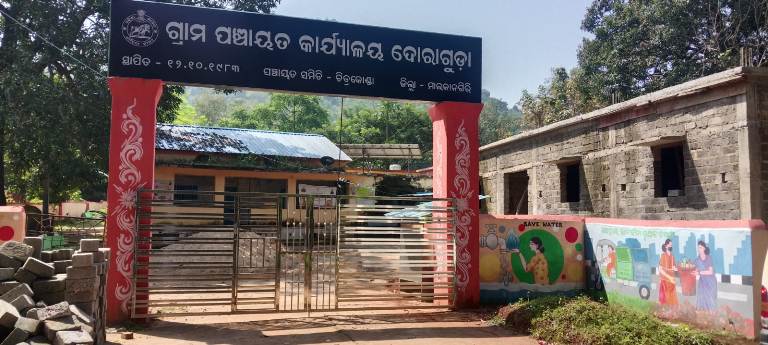
Malkangiri, October 12, 2026: Serious questions have been raised over the functioning of the local administration in Chitrakonda Block of Malkangiri district, following reports that the Panchayat offices of Doraguda, Nuaguda, Gunthawada and Badapada remained locked during regular working hours on Monday, October 12, and Tuesday, October 13.
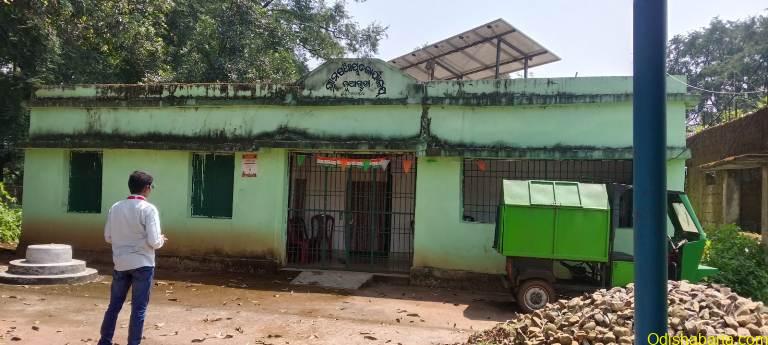
The alleged absence of officials and staff from these four Gram Panchayats has triggered concerns over administrative accountability, delivery of government services and the implementation of welfare schemes in remote rural areas. At a time when the government emphasises grassroots governance and the timely delivery of public services, villagers in these areas continue to face difficulties in accessing basic facilities.
The situation raises a fundamental question: if the Panchayat offices remain inaccessible to the public on working days, how can rural residents obtain official assistance, register grievances or secure the benefits of government welfare programmes?
Panchayat Offices Locked During Working Hours
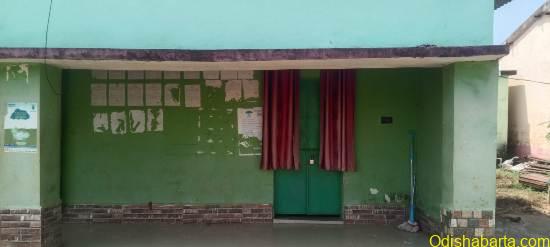
According to local reports, the Nuaguda Panchayat office was found locked at around 10:40 AM on a working day. Similar conditions were reportedly observed at Doraguda, Gunthawada and Badapada Panchayats, where no staff members were found present at the time of the visits.
A functioning Gram Panchayat is expected to provide an accessible point of contact for villagers seeking information, certificates, assistance under government schemes, pension-related services and solutions to local civic problems.
Each Panchayat reportedly has designated functionaries, including an Executive Officer, a Village Level Worker (VLW), a Sarpanch, a Supply Officer and supporting staff. Their respective responsibilities are essential to the delivery of rural services and the maintenance of administrative records.
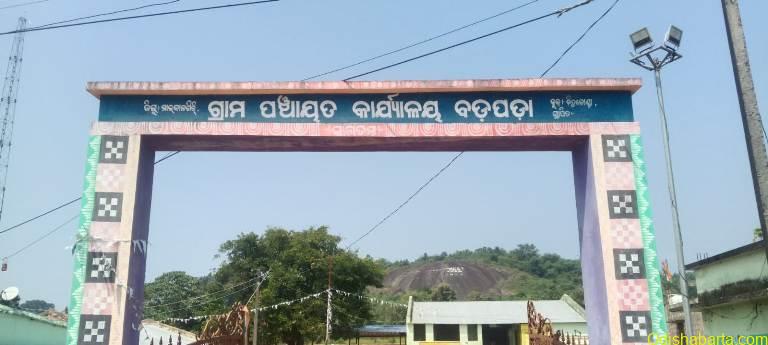
However, villagers allege that the offices are attended only on limited occasions, particularly during old-age pension distribution and monthly Panchayat meetings. Some residents claim that officials may be present for only two or three days a month.
These allegations, if substantiated, would point to a serious failure of public service delivery.
The administration must establish whether the offices were officially scheduled to operate on the days concerned, whether staff had been assigned elsewhere, and whether attendance registers and duty records support the allegations.
The absence of accessible officials also raises concerns about the grievance-redressal mechanism. Villagers who travel long distances to meet officials may have to return without their work being completed, resulting in wasted time, additional expenses and prolonged delays in obtaining essential services.
Drinking Water Crisis: Solar-Powered Project Defunct for Up to Two Years
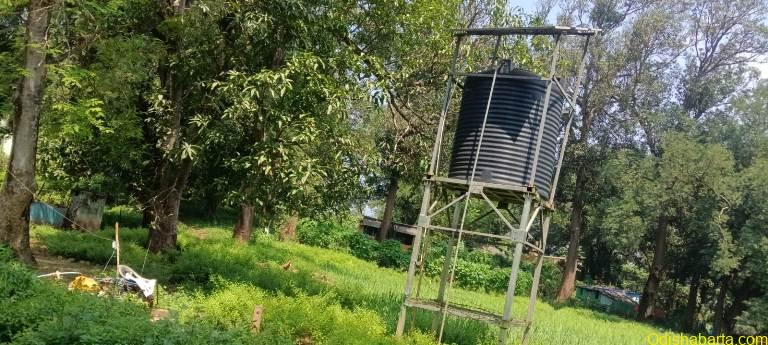
The plight of residents of Nuaguda village, which falls under Nuaguda Gram Panchayat, highlights another serious infrastructure lapse.
Approximately 60 families live in the village, but the solar-powered piped drinking water supply system is reportedly non-functional and has remained out of service for nearly one to two years.
Although four tube wells are available, villagers say two have become completely defunct. The remaining two reportedly produce only a limited quantity of water, which residents describe as having a high iron content.
The result is an uncertain drinking water situation for local households, despite the presence of public infrastructure intended to meet their needs.
The prolonged failure of a solar-powered water supply project raises questions about routine maintenance, technical inspections, repair arrangements and the accountability of the agency responsible for its operation.
Installing infrastructure is only the first step. Without regular monitoring, timely repairs and adequate maintenance, even a completed public project can become useless to the people it was designed to serve.
The concerned drinking water authorities and block administration should inspect the project, assess the condition and quality of the available water sources, and disclose a time-bound plan for restoring a safe and reliable water supply.
Schoolchildren Forced to Walk 1–2 Kilometres for Mid-Day Meals
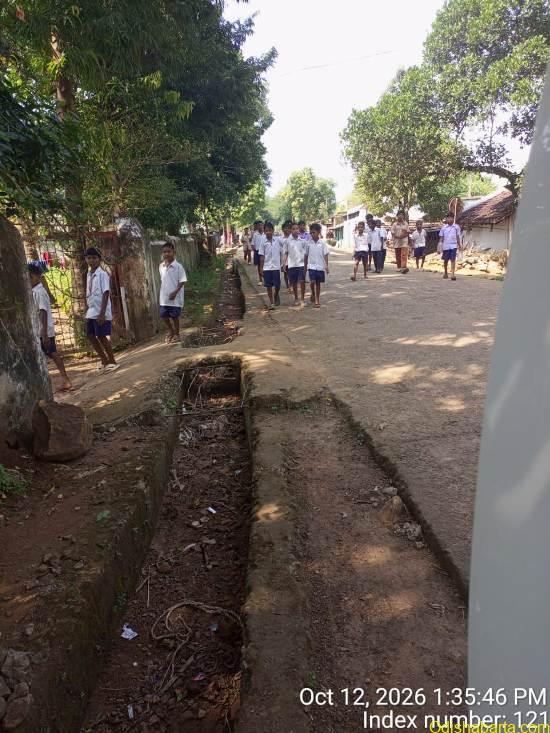
The reported difficulties faced by students of the Government Higher Secondary School (RSC-11) under Nuaguda Panchayat present an equally troubling picture.
The school has approximately 178 students and only seven teachers, according to the information available. Villagers further allege that for nearly four months, students have been required to travel approximately one to two kilometres to reach the location where their mid-day meals are served.
The children reportedly walk to the meal site in the afternoon, exposed to sun and rain and having to negotiate traffic along the route.
According to local accounts, the students reach the meal site at around 1:40 PM. Serving food to approximately 170 children reportedly takes between 30 and 45 minutes.
Even if the meal service takes only 30 minutes, the students would finish eating at around 2:10 PM. Allowing another 30 minutes for their return journey, they would reach school at approximately 2:40 PM.
This leaves a pressing question about the school timetable, the availability of teaching hours and the impact on classroom learning. The actual loss of instructional time would depend on the school’s schedule, but the reported arrangement warrants an immediate review.
A school meal programme is intended to support children’s nutrition and attendance while enabling them to continue their education. If students must repeatedly leave school premises and walk considerable distances for lunch, the arrangement risks undermining those objectives.
The authorities must clarify why the meal facility is located away from the school, whether the present arrangement complies with applicable guidelines, and what steps can be taken to ensure that children receive meals safely without unnecessary disruption to their studies.
The reported shortage of teachers adds to the concern. With around 178 students and seven teachers, the school has an approximate student-to-teacher ratio of 25:1. However, the adequacy of staffing must also be assessed in light of subject-wise requirements, sanctioned posts, vacancies and actual classroom arrangements.
The Education Department and the authorities responsible for school meals should conduct a joint inspection and determine whether the children can be provided meals on or immediately adjacent to the school premises.
Mobile Connectivity Fails Despite Tower Installation
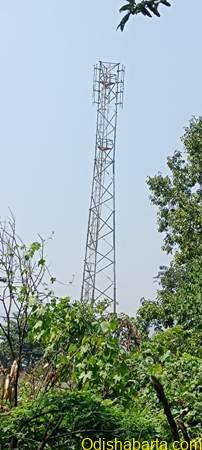
Villagers have also alleged that a Jio mobile tower installed in Nuaguda Panchayat became operational approximately three years ago but has reportedly remained non-functional for the past year.
If confirmed, the prolonged disruption would affect more than ordinary telephone communication. Reliable mobile connectivity is increasingly important for emergency calls, access to digital services, communication with government offices, online education and information about welfare schemes.
In remote areas, where access to public offices is already difficult, unreliable connectivity can further isolate residents from essential services.
The concerned telecom operator and relevant authorities should verify the status of the tower, identify the cause of the reported disruption and provide a clear restoration timeline.
Poor Roads Compound Rural Hardships
The condition of roads in the affected villages has also been criticised by residents. Although detailed information about the specific damaged stretches and their maintenance status is not yet available, villagers reportedly say that poor road conditions have compounded their daily difficulties.
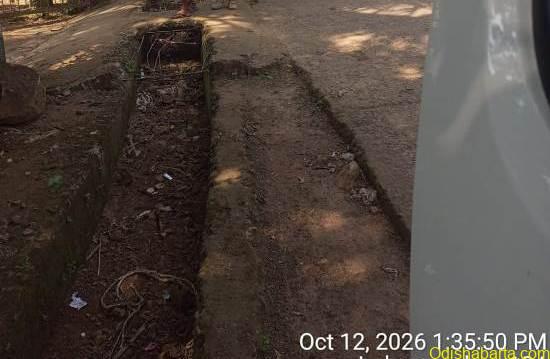
In remote parts of Malkangiri district, road connectivity is crucial for access to schools, healthcare, drinking water facilities, markets and administrative offices.
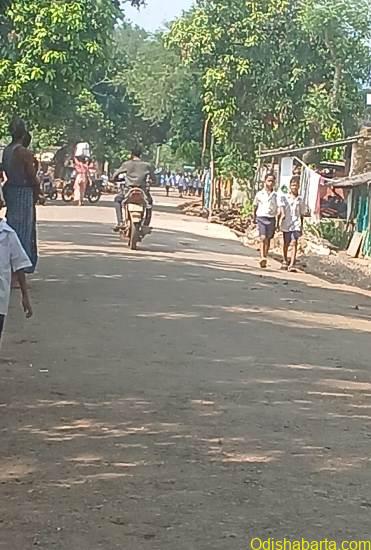
Poor roads can increase travel time, make the transport of essential goods more difficult and delay access to medical assistance, particularly during the rainy season.
The Rural Development Department, the concerned Panchayat authorities and the block administration should identify the affected stretches, determine which agency is responsible for their maintenance and prepare a prioritised repair plan.
Accountability Cannot End at the Panchayat Boundary
The reported situation across Doraguda, Nuaguda, Gunthawada and Badapada raises broader questions about the monitoring of grassroots administration.
The responsibilities of Panchayat functionaries extend beyond attending meetings or distributing pensions. Regular public access, coordination with line departments, monitoring of local infrastructure, maintenance of records and timely action on villagers’ grievances are all essential to effective rural governance.
If residents can access officials only on a few designated days each month, routine administrative work may be delayed.
Applications may remain pending, complaints may go unaddressed, and eligible beneficiaries may face avoidable difficulties in accessing government assistance.
At the same time, allegations of prolonged staff absence must be verified through official attendance records, duty rosters, field-visit registers and explanations from the concerned functionaries. A fair inquiry should establish the facts and distinguish between unauthorised absence and legitimate official duties performed elsewhere.
The Block Development Officer and the district administration should not treat the matter as merely a question of locked buildings. The central issue is whether essential public services are reaching the people in a timely and accountable manner.
What the Administration Must Do
The situation calls for a coordinated response from the Malkangiri district administration and the concerned departments. Immediate priorities should include:
- Inspect all four Panchayat offices: Verify attendance, office timings, public access and the reasons for the reported closures on October 12 and 13.
- Fix responsibility: Examine attendance registers, duty rosters and field assignments, and initiate appropriate action if unauthorised absence or dereliction of duty is established.
- Restore drinking water: Arrange an urgent technical inspection of the defunct solar-powered piped water system and tube wells in Nuaguda, including water-quality testing and necessary repairs.
- Protect students’ learning time: Inspect the school meal arrangement, ensure safe access to meals and review the reported teacher shortage and its effect on classroom instruction.
- Restore mobile connectivity: Seek a status report from the telecom operator and require a clear explanation and restoration plan for the reportedly non-functional tower.
- Assess road conditions: Identify damaged or inaccessible stretches and establish responsibility for repair and maintenance.
- Create a public grievance mechanism: Ensure villagers can meet designated officials, submit applications and complaints, and receive acknowledgements and time-bound responses.
- Conduct follow-up inspections: Publish or communicate the action taken so that residents can determine whether the identified problems have actually been resolved.
Development Must Be Measured by Results on the Ground
The reported conditions in these four Panchayats highlight the gap that can emerge between administrative arrangements on paper and the experience of people in remote villages.
A water supply project that remains defunct, children who reportedly spend a substantial part of their school day travelling for meals, unreliable mobile connectivity, poor roads and Panchayat offices allegedly found locked during working hours are not isolated concerns when they affect the same rural population.
They collectively raise questions about coordination, monitoring, maintenance and the responsiveness of local governance.
The district administration must now establish the facts, hear the explanations of the concerned officials and take corrective action wherever lapses are confirmed. An on-site inspection by senior officials, followed by a public action-taken report, would help restore confidence among residents.
For villagers, development is not measured merely by the inauguration of a project or the existence of a government office. It is measured by whether clean drinking water flows from the tap, children receive meals without losing valuable teaching time, roads remain accessible and public officials are available when citizens need them.
The people of Doraguda, Nuaguda, Gunthawada and Badapada deserve answers—and, more importantly, visible corrective action.