
THE ROAR OF THE CROWD: ADDRESSING NOISE POLLUTION IN CRICKET STADIUM
Dr. Manas Ranjan Senapati
Former Dean Science, BPUT
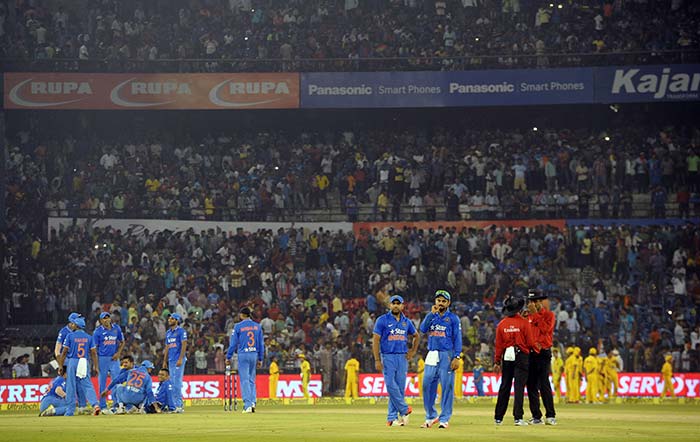
Bhubaneswar: Unwanted and undesirable sound is noise which in excess is termed as noise pollution. The tolerable conversation level is 65 dB at a distance of 1m while 125 dB creates the sensation of pain. Noise levels of more than 90 dB reduce the sensitivity of the ear. High noise levels can contribute to cardiovascular effects in humans, blood pressure rise and increased incidence of coronary artery disease. Chronic exposure to noise may cause noise induced hearing loss. Noise pollution can cause hypertension, high stress levels, sleep disturbances and other harmful effects. Cricket, often regarded as a gentleman’s game, evokes an unparalleled passion among its fans. The sight of a packed stadium, the sound of roaring crowds, and the electrifying atmosphere all contribute to the unique experience of live cricket. However, beneath this thrilling ambiance lies a less discussed issue: noise pollution when we see the roar score on the TV screen while watching live matches.
Most of the cricket stadiums have capacity ranging in between 50,000 to one lakh spectators. The Narendra Modi Stadium (NMS) is an international cricket stadium in Ahmedabad; Gujarat, India is the largest stadium in the world, with a seating capacity of 132,000 spectators. In the context of a cricket stadium, it encompasses the cacophony created by cheering crowds, blaring loudspeakers, and various other sources of sound that contribute to elevated noise levels. While a certain level of noise is expected and even celebrated in sports, excessive noise can have adverse effects on both human health and the environment.
In high-profile cricket matches, particularly in stadiums with large capacities, cheering can reach noise levels as high as 120 dB. This is comparable to the noise level of a jet engine and can potentially cause hearing damage for those exposed over long periods. Loudspeakers and music are often used in stadiums to amplify announcements or celebrate boundaries, wickets, and milestones. Sources of noise in cricket stadium include crowd cheering during key moments like wickets, boundaries etc, announcements, music through powerful loudspeakers, cheer girls dance, drums, trumpets and air horns for enthusiasm, commentary boxes and media setups with high decibel outputs etc.
| Major Cricket Matches | Roar Score(dB) |
| Mohammed Shami taking the wicket of David Warner in ICC World Cup 2023 Final at Narendra Modi Stadium | 127 |
| Axar Patel sixer in T20 World Cup 2024 Final in Barbados stadium | 119 |
| M. S. Dhoni stepping onto MA Chidambaram Stadium in IPL 2024 | 130 |
| Dismissal of Ajinkya Rahane in Indian T20 League 2024 at Wankhede stadium | 131 |
| Virat Kohli entry during the IPL 2025 at Wankhede stadium | 138 |
Prolonged exposure to loud noises can lead to temporary or permanent hearing loss. Stadium workers and regular attendees are particularly at risk. Continuous exposure to high noise levels can increase stress and anxiety, affecting the overall well-being of individuals. Noise pollution can disrupt sleep patterns, especially for those living near stadiums. Studies have shown a correlation between excessive noise and an increased risk of hypertension and heart diseases.
Loud noises can disrupt the natural habitats of nearby wildlife, affecting their feeding, mating, and migration patterns. While not directly related, noise pollution often accompanies other forms of pollution, such as air pollution from increased vehicular traffic during major events.
Installing sound barriers around stadiums can help contain the noise within the premises, reducing its impact on the surrounding areas. Regulating the volume of public address systems and restricting the use of high-decibel instruments can significantly reduce noise levels. Planting trees and creating green spaces around stadiums can act as natural sound absorbers. Stadiums can also consider soundproofing techniques and scheduling matches at times that are less disruptive to nearby communities. Educating fans about the impact of noise pollution and encouraging responsible cheering can help in creating a more sustainable environment.
While the excitement and energy of a live cricket match are integral to the sport, it is crucial to strike a balance between enthusiasm and responsibility. Addressing noise pollution in cricket stadiums not only enhances the experience for all attendees but also contributes to a healthier and more sustainable environment. As fans and stakeholders of the game, it is our collective responsibility to ensure that the roar of the crowd remains a source of joy, not a cause for concern.