
NALCO Expansion – Faces Pollution Wall Ahead of Jan 28 Hearing; Faces Toxic Backlash (!)
DEBARANJAN SAMAL
Associate Editor, Odishabarta
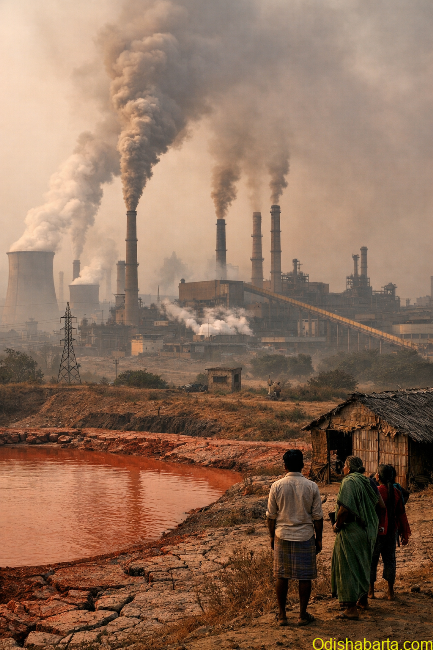
Red mud disposal from alumina refining, a highly alkaline waste posing long-term ground water contamination risks(!) “Cow Milk Good with Closed Eyes”
Angul: (28/01/2026):NALCO’s proposed Brownfield expansion at Angul has run into fresh turbulence as mounting objections over pollution, transparency and cumulative environmental damage intensify ahead of the statutory public hearing scheduled for January 28.
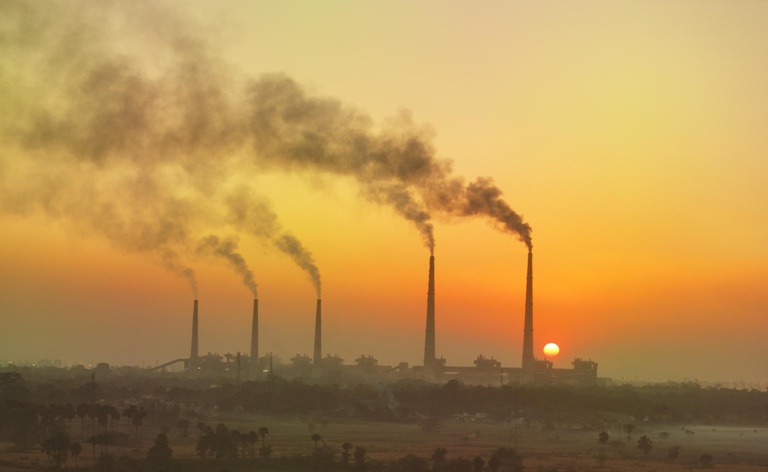
Residents, environmental activists and independent experts argue that the Angul–Talcher industrial belt — already among Odisha’s most polluted regions — is in no position to absorb any additional industrial load. With aluminium smelting, coal-fired power plants and extensive mining operations already straining air and water quality, the delay in environmental clearance has brought long-simmering concerns back into sharp focus.
NALCO’s Angul complex carries a history of environmental red flags, particularly in relation to: Red mud disposal from alumina refining, a highly alkaline waste posing long-term groundwater contamination risks
High particulate pollution, with PM10 and PM2.5 levels frequently breaching prescribed limits.
Coal-based captive power plants, contributing to sulphur dioxide, nitrogen oxides and fly ash emissions.
Official pollution control data has consistently identified industrial sources as dominant contributors, reinforcing Angul–Talcher’s status as one of the state’s most environmentally stressed industrial zones.
‘Brownfield’ Label Challenged
While NALCO has categorised the proposal as a Brownfield expansion, critics contend that higher production will inevitably translate into higher emissions.
“Calling it a brownfield project does not cancel out incremental pollution. The region is already saturated,” said an environmental analyst familiar with the project’s regulatory filings.
EIA Faces Sharp Criticism
The project’s Environmental Impact Assessment (EIA) has also come under fire, with allegations of:
Under-reporting of baseline pollution levels
Failure to assess cumulative impacts of clustered industries in the Angul–Talcher belt,Limited availability of EIA documents in local languages, potentially undermining informed public participation.
Local residents say past promises on pollution control, rehabilitation and environmental safeguards remain largely unfulfilled on the ground.
Public Hearing / Procedural Formality (?).
Though the January 28 hearing is legally mandatory, scepticism runs deep. Villagers affected by earlier phases of NALCO’s operations allege that objections raised in previous hearings were documented but ignored, reducing consultations to a procedural exercise rather than a meaningful decision-making platform.
Clearance at a Crossroads;
The outcome of the hearing will determine whether the project advances towards final environmental clearance or encounters further regulatory hurdles. More broadly, it will test whether India’s environmental clearance framework can withstand pressure from large public sector undertakings.
For Angul’s residents, the message remains unequivocal:no expansion without accountability, no clearance without credible safeguards.