Brahmapur Again Hit by Artificial Flooding; Bahana Drain Encroachment Under Scanner
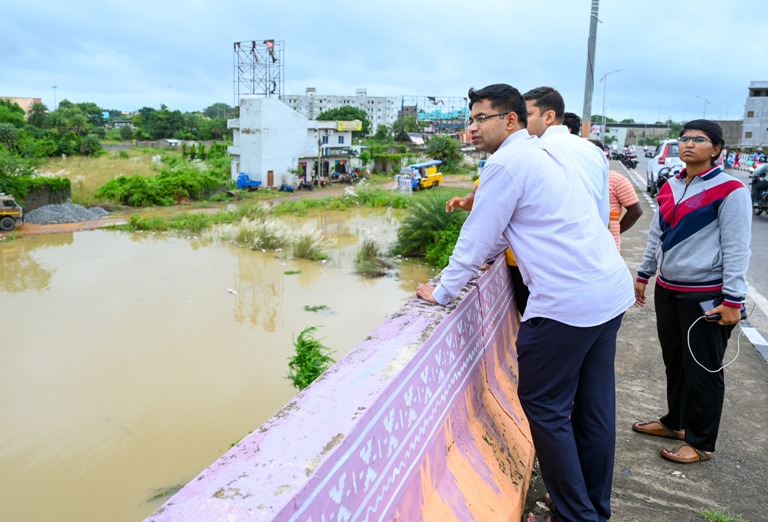
Manoj Kanta Dash,Odishabarta
Heavy Rain Triggers Water logging; Collector, BeMC Commissioner and Mayor Inspect Affected Areas
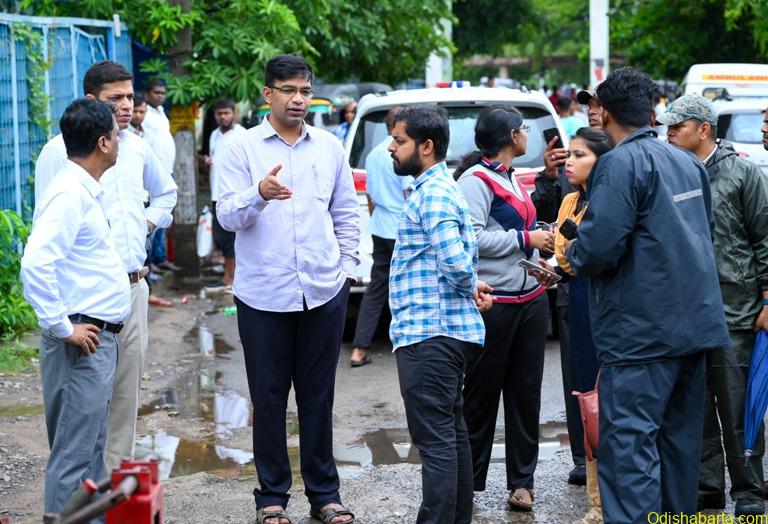
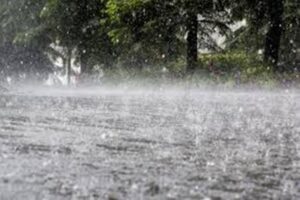
Brahmapur, September 24, 2026:Brahmapur city once again witnessed severe water logging and what residents described as artificial flooding following incessant rainfall triggered by a deep depression over the Bay of Bengal.
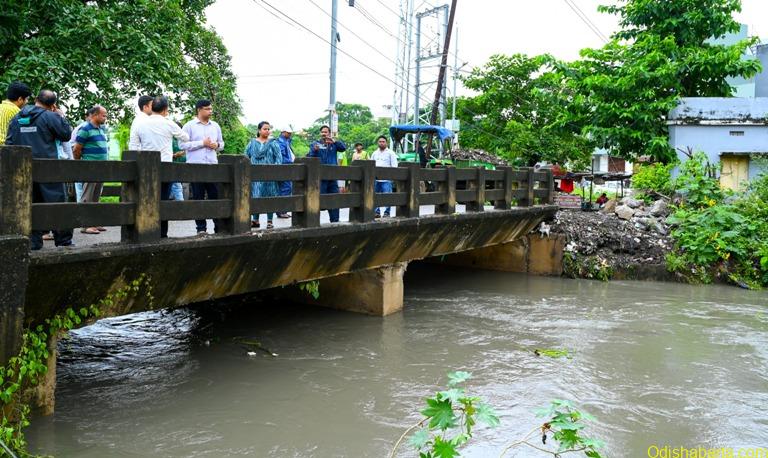
Several parts of the city were inundated, disrupting normal life and leaving residents in several low-lying areas virtually stranded.
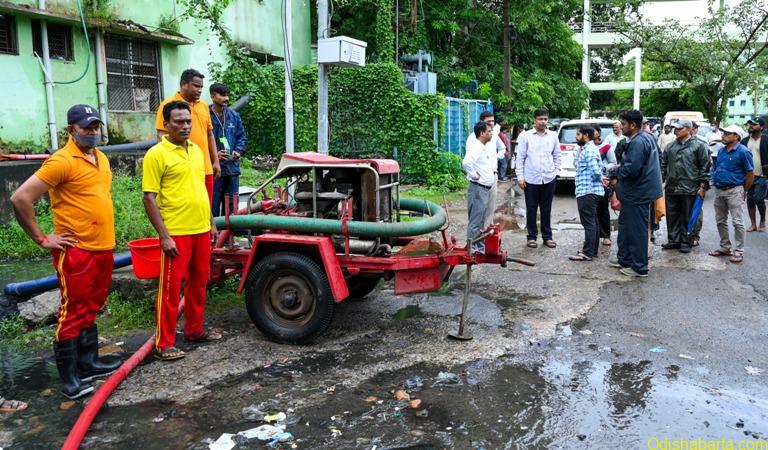
The recurring flooding has once again triggered a debate over the city’s drainage system, with residents questioning both civic preparedness and the continued encroachment and narrowing of natural drainage channels.
Among the drainage channels under scrutiny is the Bahana drain, which has reportedly become considerably narrower over the years due to encroachments and other obstructions.
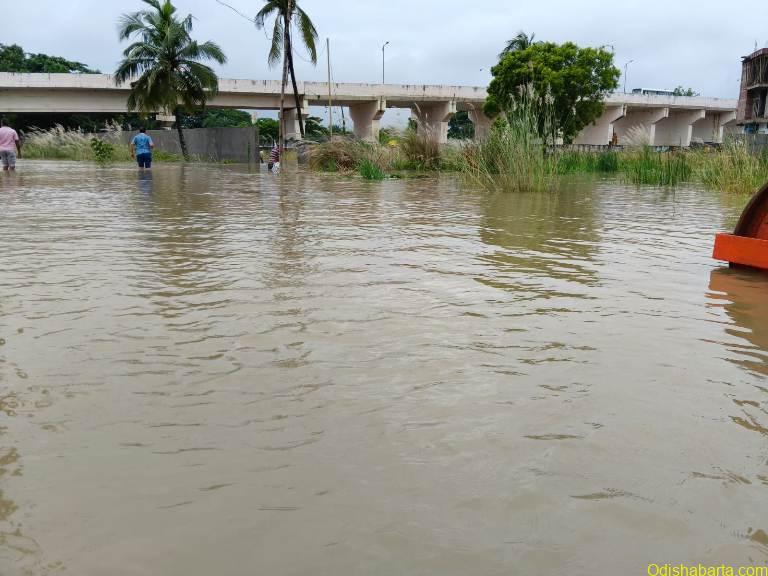
When Brahmapur was a much smaller city, the Bahana drain had significantly greater width and carrying capacity.
However, rapid urban expansion has increased the volume of rainwater requiring drainage, while the capacity of some natural drainage channels has reduced.
Encroachment Raises Serious Drainage Concerns (?).
The recurring water logging has highlighted the need for a comprehensive examination of encroachments along natural drainage channels.
When drainage channels are narrowed or obstructed, rainwater cannot flow out efficiently, increasing the possibility of water accumulation in residential and commercial areas during periods of heavy rainfall.
While the district administration and Berhampur Municipal Corporation (BeMC) are facing criticism over water logging, citizens also have a role to play in protecting natural drainage channels and opposing illegal or unauthorised encroachments.
The issue is therefore not merely one of emergency pumping during heavy rainfall. A long-term solution would require identification and removal of obstructions, restoration of drainage capacity and sustained monitoring to prevent fresh encroachments.
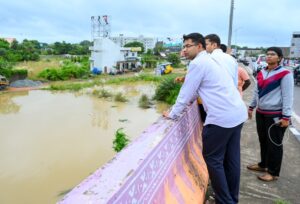
Top Officials Inspect Waterlogged Areas;Amid the situation, Ganjam Collector V. Keerthi Vasan, along with BeMC Commissioner A. Sasya Reddy and Mayor Sanghamitra Dalei, visited severely waterlogged and inundated areas of Brahmapur to assess the situation and review the response to the heavy rainfall.
Civic and district administration teams were deployed in several affected locations to manage the situation and facilitate the movement of accumulated stormwater.
Major Areas Affected
Incessant rainfall resulted in waterlogging in several key localities, including:
Aska Road
Sriram Nagar
Gate Bazaar
Gandhinagar
Dharmanagar
MKCG Hospital
High-power pumps were deployed by civic teams to remove accumulated storm water and sewage from affected residential streets and other vulnerable locations.
Vulnerable Families Evacuated;As part of the emergency response, authorities shifted 21 residents living in vulnerable kutcha houses in Ward No. 21 to safer locations.
Across Ganjam district, hundreds of residents from low-lying and vulnerable areas have reportedly been moved to multi-purpose shelters as a precautionary measure.
Pregnant Women Shifted to Safer Locations;
The administration also undertook precautionary measures for pregnant women living in vulnerable areas.
More than 274 pregnant women were proactively shifted to hospitals and maternity waiting homes (Maa Gruhas) to ensure access to medical care and safe delivery facilities during the period of heavy rainfall.
Long-Term Solution Needed;
The latest flooding has once again raised questions about the capacity and condition of Brahmapur’s stormwater drainage network.
Emergency pumping and evacuation can provide immediate relief, but recurring water logging cannot be permanently addressed through emergency measures alone.
A comprehensive assessment of the city’s natural drainage channels, particularly the Bahana drain, along with identification of encroachments and obstructions, may be necessary to restore adequate carrying capacity.
At the same time, public cooperation will remain essential. Citizens need to remain vigilant against encroachment of drainage channels and avoid activities that obstruct the natural flow of rainwater.
For a rapidly expanding city like Brahmapur, protecting existing drainage channels and restoring their carrying capacity will be critical to reducing the recurrence of artificial flooding during heavy rainfall.