
Why Gen Z Thinks Differently
- Introduction
Every generation grows up in a different world, shaped by unique experiences, technologies, social values, and global events. Generation Z, commonly known as Gen Z, refers to people born roughly between 1997 and 2012. They are the first true digital generation, born into a world already connected through the internet, smartphones, and social media. Unlike previous generations who adapted to technology later in life, Gen Z grew up with technology as a natural part of their daily existence. This has significantly influenced how they think, communicate, learn, and perceive society.
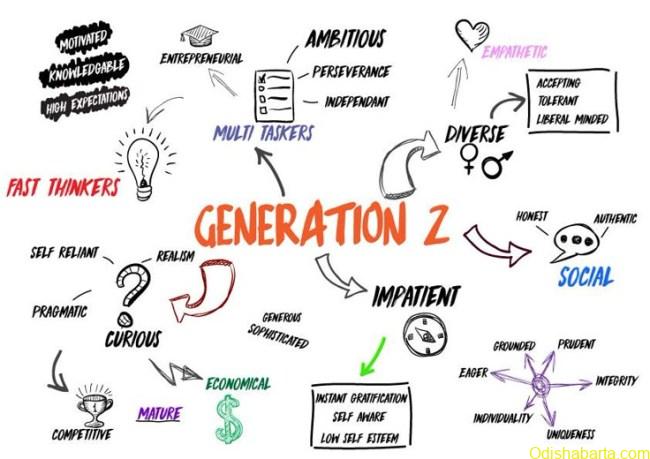
Gen Z thinks differently because their world is different. They have witnessed rapid technological advancements, global pandemics, climate crises, political instability, and economic uncertainty during their formative years. Their thinking reflects a blend of digital intelligence, social awareness, emotional openness, and a desire for individuality. While older generations often criticize Gen Z for being too sensitive, distracted, or rebellious, many experts believe that this generation is simply responding to the complexities of the modern world in its own unique way.
Understanding why Gen Z thinks differently is important because they are becoming the future workforce, leaders, voters, creators, and innovators of society. Their mindset will shape the future of politics, education, business, and culture.
- The Influence of Technology
One of the biggest reasons Gen Z thinks differently is technology. Previous generations experienced life before the internet, but Gen Z has always lived in a digital environment. Smartphones, social media platforms, online games, artificial intelligence, and instant communication have shaped their brains and habits from childhood.
Technology has changed the way Gen Z receives information. Earlier generations depended on books, newspapers, or television for knowledge. Gen Z, however, can access unlimited information within seconds through search engines and social media. This has made them fast learners and highly aware of global events. They are more likely to question traditional beliefs because they can compare multiple opinions online.
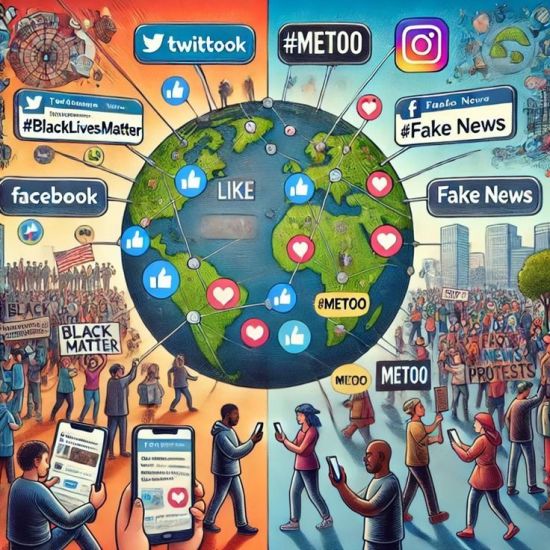
Social media also plays a major role in shaping Gen Z’s mindset. Platforms like Instagram, YouTube, TikTok, and X expose them to different cultures, lifestyles, and viewpoints. As a result, Gen Z tends to be more open-minded about issues related to gender, race, mental health, and identity. They are comfortable expressing themselves online and often use digital platforms to raise social awareness.
However, technology has also affected their attention span and emotional behavior. Constant notifications and short-form content have trained many young people to consume information quickly. This sometimes makes them impatient with slow processes or lengthy traditional systems. They prefer speed, flexibility, and innovation.
- A Generation Shaped by Global Crises
Unlike earlier generations that experienced long periods of stability, Gen Z grew up during uncertain times. Many members of Gen Z witnessed economic recessions, terrorism, climate change disasters, global conflicts, and most importantly, the COVID-19 pandemic. These events deeply influenced their worldview.
The pandemic, in particular, changed Gen Z’s thinking about life and work. During lockdowns, schools shifted online, social interactions became digital, and mental health issues increased dramatically. Young people realized that life is unpredictable and fragile. As a result, many Gen Z individuals value personal happiness and mental well-being more than traditional ideas of success.
Older generations often believed in working long hours for financial security, but Gen Z tends to prioritize work-life balance. They are less willing to sacrifice mental health for career success. They prefer flexible jobs, remote work opportunities, and meaningful careers rather than blindly following conventional career paths.
Climate change is another major concern for Gen Z. They are more environmentally conscious than many previous generations because they grew up hearing warnings about global warming, pollution, and environmental destruction. Many Gen Z activists actively participate in climate movements and demand sustainable policies from governments and corporations.
- Changing Attitudes Toward Education
Gen Z also thinks differently about education. Traditional education systems were designed during industrial times, focusing mainly on memorization and discipline. However, Gen Z values creativity, practical skills, and digital learning.
Since information is easily available online, many Gen Z students question the importance of rote learning. They believe education should focus more on problem-solving, innovation, communication skills, and real-world experiences. Online platforms like YouTube, Coursera, and educational apps allow them to learn independently beyond the classroom.
This generation also faces intense academic pressure due to competition, social expectations, and uncertainty about future jobs. Many young people struggle with anxiety and burnout because they constantly compare themselves with others online. As a result, Gen Z openly discusses mental health issues more than previous generations.
Unlike older generations who often considered emotional struggles a private matter, Gen Z encourages conversations about stress, depression, therapy, and self-care. Their openness toward mental health reflects a broader cultural shift toward emotional awareness and empathy.
- Individuality and Identity
Another reason Gen Z thinks differently is their strong focus on individuality. They believe every person should have the freedom to express their identity, opinions, and lifestyle without fear of judgment. Social media has exposed them to diverse communities and experiences, making them more accepting of differences.
Gen Z values authenticity. They often dislike fake personalities, rigid traditions, or blind obedience to authority. Instead of following societal expectations automatically, they prefer questioning norms and making independent choices.
This generation is also more vocal about equality and human rights. Issues related to gender equality, racial justice, LGBTQ+ rights, and body positivity receive strong support from Gen Z communities worldwide. Many young people believe society should become more inclusive and compassionate.
However, critics argue that Gen Z can sometimes become overly sensitive or easily offended. Supporters, on the other hand, believe this sensitivity reflects greater emotional intelligence and awareness of social injustices.
- The Impact of Consumer Culture
Gen Z’s thinking has also been shaped by modern consumer culture. They are constantly exposed to advertisements, influencers, and digital marketing. Unlike previous generations, they trust peer reviews and online creators more than traditional advertisements.
This generation prefers brands that align with their values. They support companies that promote sustainability, diversity, and social responsibility. If a brand behaves unethically, Gen Z consumers often boycott it through social media campaigns.
At the same time, digital culture creates pressure to maintain a perfect online image. Many young people feel the need to appear successful, attractive, or socially active online. This can create insecurity and emotional stress despite the appearance of confidence.
Gen Z therefore lives in a paradoxical world they are highly connected digitally but sometimes emotionally isolated in reality. Their thinking reflects this balance between empowerment and vulnerability.
- Relationship With Family and Society
Gen Z’s relationship with family and society is also changing. Traditional family structures and social expectations are evolving. Young people today are more likely to discuss personal choices openly with parents, including career decisions, relationships, and lifestyle preferences.
Many Gen Z individuals reject rigid social norms related to marriage, career, or gender roles. They seek personal freedom and self-discovery rather than simply following customs. This often creates a generation gap between young people and older family members.
At the same time, Gen Z strongly values emotional support and healthy relationships. They are more willing to cut off toxic friendships or unhealthy environments. Unlike previous generations that often tolerated emotional suffering silently, Gen Z emphasizes boundaries and self-respect.
- Strengths of Gen Z
Despite criticism, Gen Z possesses many remarkable strengths. They are highly adaptable, technologically skilled, socially aware, and creative. Their ability to learn quickly and connect globally gives them tremendous potential.
Gen Z is also entrepreneurial. Many young people start online businesses, create digital content, or work independently through freelancing platforms. They are not afraid to explore unconventional career paths.
Their awareness of social and environmental issues may also help create a more responsible future society. They are challenging outdated systems and demanding change in areas such as education, workplace culture, climate policy, and mental health awareness.
- Challenges Faced by Gen Z
However, Gen Z also faces serious challenges. Excessive screen time, social media pressure, loneliness, anxiety, and uncertainty about the future affect many young people. The fast-paced digital world sometimes creates confusion, comparison, and emotional exhaustion.
Economic instability and job competition further increase stress. Many Gen Z individuals worry about financial security, rising living costs, and automation replacing traditional jobs.
Additionally, constant exposure to online information can create misinformation, polarization, and emotional overload. Balancing digital life with real-world human connection remains one of the biggest struggles for this generation.
- Conclusion
Gen Z thinks differently because they were born into a rapidly changing and interconnected world. Technology, social media, global crises, changing values, and modern education have shaped their mindset in unique ways. They are more open-minded, emotionally expressive, socially aware, and independent than many previous generations.
Although they face criticism for being overly sensitive or digitally dependent, Gen Z also demonstrates creativity, resilience, and a strong desire to improve society. Their thinking reflects the realities of the modern world a world filled with opportunities, uncertainties, and constant change.
Every generation believes the next generation is different, but Gen Z’s differences are especially visible because the world itself has transformed dramatically within a short period. As society continues to evolve, understanding Gen Z is not just important it is necessary for shaping a better future.
Siddharth Saswat Panda JUNAGAD, KALAHANDI
CONTACTS :- +91 8926297029 / +91 9438397029
NOTE: any legal disputes editor, publisher not accountable